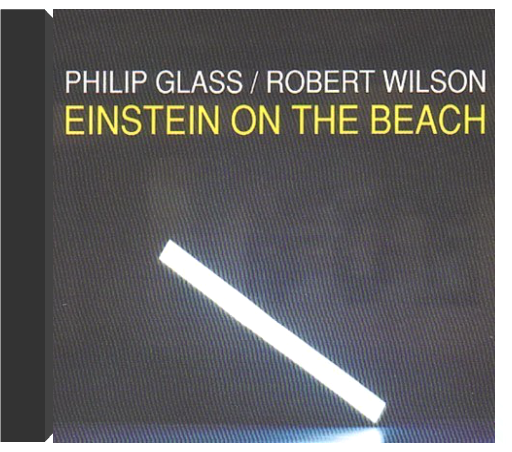
 Glass: Einstein on the BeachRobert Wilson, Michael Riesman Glass: Einstein on the BeachRobert Wilson, Michael Riesman  Although Einstein on the Beach is by definition an opera, Philip Glass's most famous work also transcends traditional music categories. Glass avoided all vestiges of plot in the piece and dug deep into his quiver of repetitions to create an artfully unnerving five hours of brilliance. The instrumental ensemble never exceeds five members, playing electric keyboards, saxophones, flutes, and a single violin. Furthermore, the music congregates around the upper registers, often darting through its loops at seemingly incredible paces. The chorus bears huge chops, creating a dense, if silkenly staccato, series of juts, and a powerful array of higher-register annunciations that ring with the aural power of leaping, blurring filaments. This 1993 version of Einstein truly supersedes its predecessors, stretching to around 190 minutes over three CDs. There is a strong current of postmodern collage throughout the piece, with rafts of pop culture references. But Einstein, after all, is indeed based loosely on Albert Einstein and ends with booming allusions to nuclear annihilation and mathematics. —Andrew Bartlett 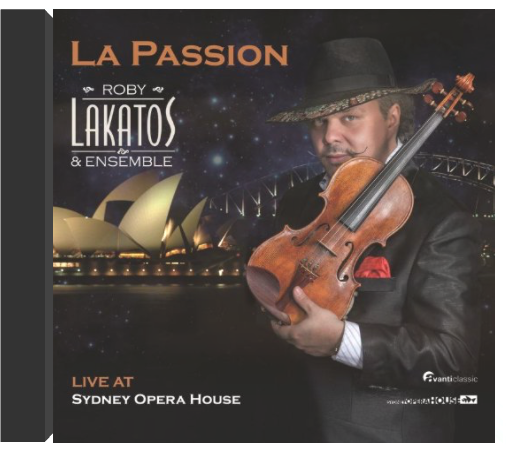 La PassionRoby Lakatos La PassionRoby Lakatos The king of the violinists, lauded as the fastest-fingered fiddler in the world by the Daily Telegraph, Roby Lakatos is back with a stunning 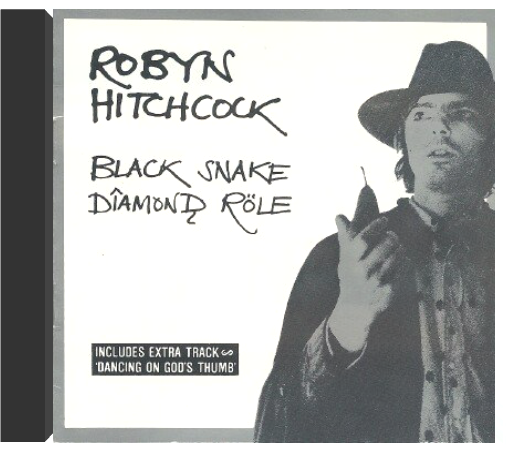 Black Snake Diamond RoleRobyn Hitchcock Black Snake Diamond RoleRobyn Hitchcock 1987 UK issue on Aftermath Records. Tracks: 1. Man Who Invented Himself 2. Brenda's Iron Sledge 3. Do Policemen Sing? 4. Lizard 5. Meat 6. Acid Bird 7. I Watch the Cars 8. Out of the Picture 9. City of Shame 10. Love 11. Dancing on God's Thumb [*] |
 Made with Delicious Library